




Understanding Qingdao Zhongding Machinery Co., Ltd.
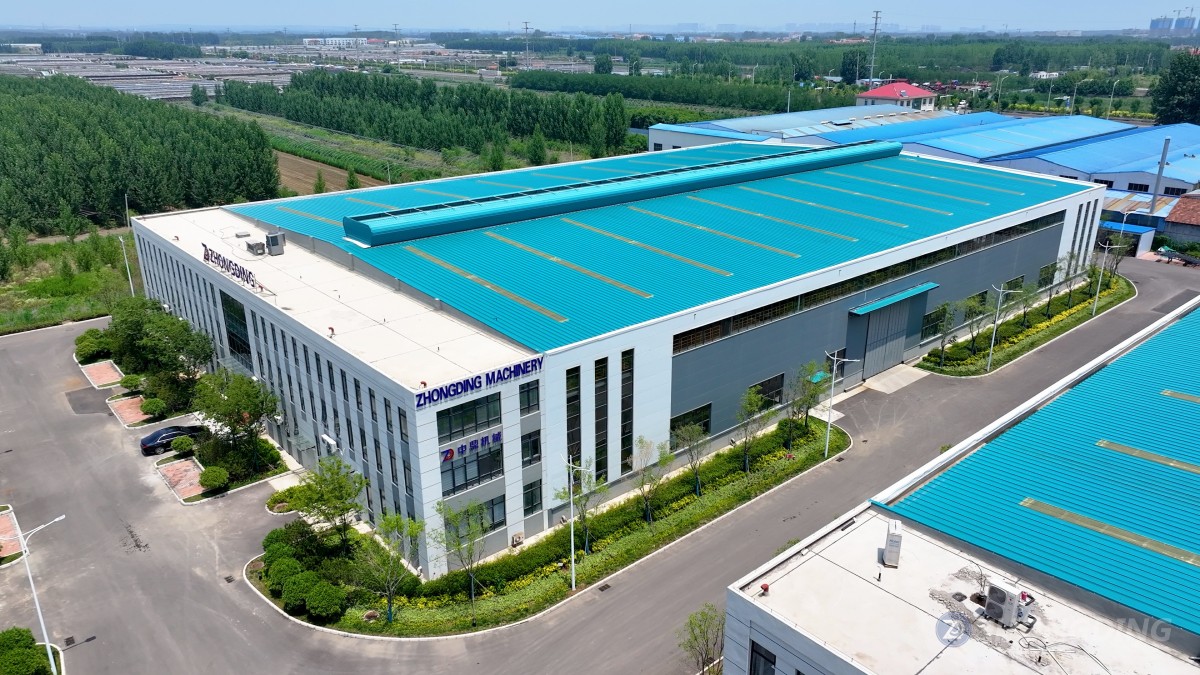
Qingdao Zhongding Machinery Co., Ltd., commonly referred to as Zhongding Machinery, operates in the manufacturing and processing machinery sector with a focus on industrial woodworking equipment. Its offering covers machines used to size, shape, join, finish, move, and clean wood-based materials during production. Rather than treating a machine as an isolated purchase, the company supports equipment selection around the workpiece, production sequence, labor conditions, and expected output of a customer's factory.

The practical scope of Qingdao Zhongding Machinery Co., Ltd. includes woodworking cutting machines, panel saws, edge banding machines, drilling and boring machines, sanding equipment, planers, moulders, presses, CNC routers, material handling equipment, and dust collection systems. These categories serve operations handling solid wood, plywood, MDF, particle board, veneer panels, laminated boards, and related sheet materials. Each category addresses a different process risk, from inaccurate sizing to poor edge appearance, inconsistent holes, rough surfaces, or airborne dust.
For procurement teams, this type of supplier should be evaluated as both an equipment source and a production-support partner. A complete solution may involve a single replacement machine, several coordinated machines, or workshop-level planning. The appropriate boundary depends on the factory's existing workflow, available space, electrical conditions, material flow, operator skills, and order mix. This distinction matters because a technically capable machine may still underperform when upstream loading or downstream handling is poorly matched.
How Woodworking Machinery Creates Production Value
Industrial woodworking machinery converts a raw board or timber component into controlled dimensions and finished surfaces through repeatable mechanical actions. Cutting equipment establishes panel size; edge banders apply and trim edge material; drilling and boring machines position holes; routers machine profiles or patterns; sanding machines refine surfaces; and pressing equipment bonds layers or assemblies. Accuracy depends on stable machine structure, correctly adjusted guides, suitable tooling, consistent material properties, and disciplined operator setup.
A production line is effective when each station works at a compatible pace. For example, a high-output panel saw can create congestion if the edge banding, drilling, or loading stage cannot accept the resulting volume. Material handling equipment reduces unnecessary manual transfers between these stations, while dust collection helps remove chips and fine particles generated by cutting, routing, sanding, and planing. The goal is not simply faster machine motion; it is a smoother process with fewer interruptions and fewer rework-causing defects.
Zhongding Machinery emphasizes durable structure, easy operation, stable performance, and daily industrial usability. These attributes are relevant because woodworking machines encounter vibration, abrasive dust, changing board types, and repeated adjustment cycles. Buyers should ask how a proposed configuration manages reference surfaces, clamping, feeding, extraction connections, tool access, and changeovers. Clear answers reveal whether the solution is appropriate for routine factory production instead of only an idealized demonstration condition.
Main Equipment Categories And Their Roles
Cutting and panel-processing equipment is central to cabinet, furniture, and decorative board production. Panel saws and other cutting machines prepare blanks at controlled dimensions, while CNC routers can cut shapes, grooves, slots, and programmed details. Buyers commonly compare cutting capacity, positioning method, worktable arrangement, feeding needs, tool compatibility, and the types of boards to be processed. The right choice should reflect actual part sizes and nesting or batch requirements rather than headline capacity alone.
Edge banding, drilling, and boring equipment supports assembly accuracy and visible product quality. Edge banders apply edge material and complete trimming or finishing operations, while drilling and boring machines create holes for hinges, dowels, connectors, shelves, and fittings. Their value is especially clear in cabinet and panel furniture workflows where repeated hole patterns and clean edge treatment affect installation speed. Configuration should be based on board thickness range, edge material, hole patterns, component geometry, and anticipated design changes.
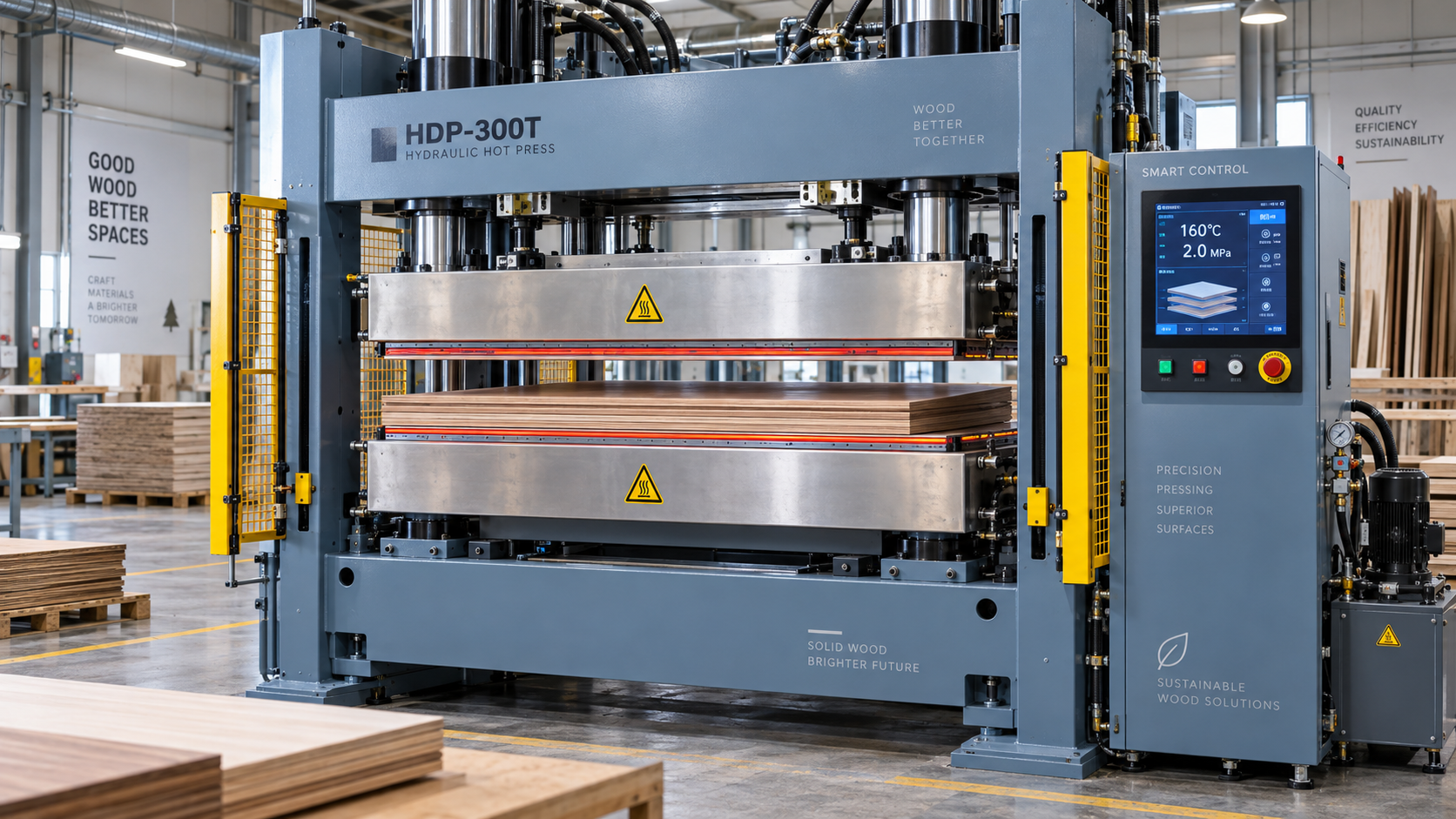
Surface preparation and solid-wood equipment includes sanding machines, planers, moulders, and presses. Sanding refines surfaces before coating or assembly; planing creates consistent thickness or flatness; moulding shapes linear profiles; and pressing supports bonding or forming processes. Zhongding Machinery can also combine these core stations with material handling and dust collection systems. This broader range can simplify coordination when a buyer needs multiple categories, although each machine's specifications should still be confirmed independently during technical discussions.
Who Uses These Solutions And Where They Apply
Typical users of Qingdao Zhongding Machinery Co., Ltd. solutions include furniture manufacturers, panel processors, cabinet factories, wooden door producers, decoration material processors, and custom wood product workshops. A modular cabinet producer may prioritize accurate panel sizing, edge processing, and drilling. A door manufacturer may place greater weight on planing, moulding, sanding, pressing, and profile routing. A custom workshop may value flexible setup and manageable changeovers over the output of a highly dedicated production line.
Application requirements also vary by material. MDF and particle board require attention to edge quality, chip control, and dust removal. Plywood and veneer panels can require careful handling to reduce surface damage. Solid wood introduces grain variation, moisture-related movement, and differing feed behavior. Laminated boards need suitable cutting and edge-processing arrangements to maintain a clean finished appearance. Supplying material samples, thickness ranges, and representative drawings early helps a machinery supplier recommend a more realistic process.
For overseas buyers, the application context extends beyond the factory floor. Voltage configuration, shipping dimensions, packaging protection, documentation, installation preparation, and local servicing plans can affect the final result. Zhongding Machinery's export experience is relevant in these discussions because international machinery projects require clear technical communication before shipment. Buyers should define destination electrical conditions, unloading capability, workshop access routes, local safety expectations, and the level of remote installation guidance required before confirming an order.
Selection Criteria And Practical Quality Control
The first selection criterion is the required process, not the machine name. A buyer should map incoming material, cutting, edge treatment, drilling, machining, sanding, assembly, finishing, packing, and dispatch. This exposes bottlenecks and identifies which operation needs investment first. It also clarifies whether a stand-alone machine is sufficient or whether combined equipment configuration is needed. Production volume should be measured across a normal order cycle, including short runs and product variation, rather than only the most demanding peak day.
Technical evaluation should cover working dimensions, material thickness, tooling, feed method, control functions, electrical supply, compressed air where relevant, dust extraction interface, operator access, and maintenance access. Quality control begins with the machine's structural stability and continues through alignment, moving components, guarding, wiring, trial operation, and packaging. When discussing a proposal with Qingdao Zhongding Machinery Co., Ltd., buyers can request a clear equipment list, process explanation, utility requirements, layout assumptions, and scope of installation guidance.
In industrial woodworking, applicable safety, electrical, environmental, and import requirements depend on the destination market and installation conditions. Buyers should verify their own local obligations and ensure that the selected configuration is suitable for them. A sound procurement review includes manuals, operating instructions, spare-parts identification, maintenance recommendations, and any required shipment documents. This approach is more dependable than assuming that one general specification will satisfy every factory, country, material, or production method.
Installation, Service, And Lifecycle Management
Installation preparation should start before equipment arrives. The factory needs a confirmed location, level floor where required, sufficient access for unloading, power availability, dust collection routing, air supply where applicable, and space for material movement. Machines should be positioned according to the intended production sequence rather than simply where an open area happens to exist. Good layout planning reduces crossing paths, repeated lifting, and operator travel, which can otherwise limit the benefit of a capable machine.
Commissioning normally includes checking the delivered equipment, connecting utilities, confirming protective devices, making initial adjustments, and testing representative materials. Operator training should cover normal use, safe adjustment, tool changes where applicable, daily cleaning, fault observation, and basic quality checks. Zhongding Machinery provides installation guidance, operator training, maintenance advice, spare parts supply, and after-sales troubleshooting as part of its lifecycle support approach. The buyer should agree in advance on communication channels and the information needed for efficient remote diagnosis.
Preventive maintenance protects both output and product quality. Daily attention commonly includes cleaning dust-prone areas, inspecting guards, checking unusual noise or vibration, and observing cut or finish quality. Periodic work may include lubrication according to the machine guidance, alignment checks, fastener inspection, replacement of worn consumables, and examination of extraction performance. Keeping essential consumables and critical spare parts available can reduce the time between identifying a fault and restoring production, particularly for export installations.
Total Cost Of Ownership And Return On Investment
The purchase price is only one component of total cost of ownership. Buyers should include machine price, tooling, freight, export packaging, insurance where used, duties and local charges, unloading, installation preparation, electrical work, extraction connections, operator training, routine maintenance, spare parts, energy use, and expected downtime. A lower initial quotation may not be the lower-cost choice if it creates additional manual handling, frequent rework, difficult maintenance, or limited support after delivery.
Return on investment should be evaluated through measurable operational changes. Relevant indicators include labor hours per unit, material waste, rework rate, setup time, throughput, edge or surface quality, machine utilization, and delivery consistency. For a growing factory, capacity headroom also has value because it can accommodate a broader order mix without an immediate second investment. The most useful comparison is between the current production cost and the expected cost after implementation, using realistic assumptions for volume and staffing.
Qingdao Zhongding Machinery Co., Ltd. can support decision-making through equipment recommendation, technical consultation, customization, and production line planning. To receive a useful proposal, purchasers should provide product drawings, material information, thickness range, expected output, available utilities, workshop layout, destination country, and known process problems. This information allows a supplier to discuss the trade-offs among automation level, flexibility, investment scale, and operating cost with greater precision, helping reduce avoidable changes after shipment.
Future Trends In Industrial Woodworking
Woodworking factories are increasingly balancing productivity with flexibility. Demand for customized furniture, varied cabinet layouts, shorter batches, and faster order response makes changeover time and information flow more important. CNC routing, coordinated drilling, efficient panel processing, and appropriately planned handling can help factories process a wider mix of components. The practical objective is not maximum automation in every situation; it is selecting an automation level that matches order stability, labor availability, technical capability, and expected growth.
Dust management, material yield, energy use, and maintainability are also becoming more prominent purchasing considerations. Better extraction planning helps maintain a cleaner workplace and supports machine performance, while accurate cutting and drilling can reduce avoidable waste. Buyers are likely to place more value on equipment that is accessible for routine service, supported by understandable operating information, and compatible with an orderly maintenance program. These priorities connect productivity with long-term operational discipline.
With more than two decades of continuous work in woodworking machinery, Zhongding Machinery presents its role as a provider of machinery and practical production support. Its value proposition centers on stable machine supply, engineering improvement, export preparation, and ongoing service rather than unsupported claims of universal suitability. For buyers, the next step is a fact-based technical discussion: define the product, process, capacity target, workshop conditions, and service expectations, then assess whether the proposed equipment configuration supports the factory's commercial plan.
 Touchscreen Controls for Hot Wood Presses: What Operators Should Monitor Each CycleA hot wood press with touchscreen control helps operators monitor recipes, temperature, pressure, alarms, and panel quality for consistent production results.
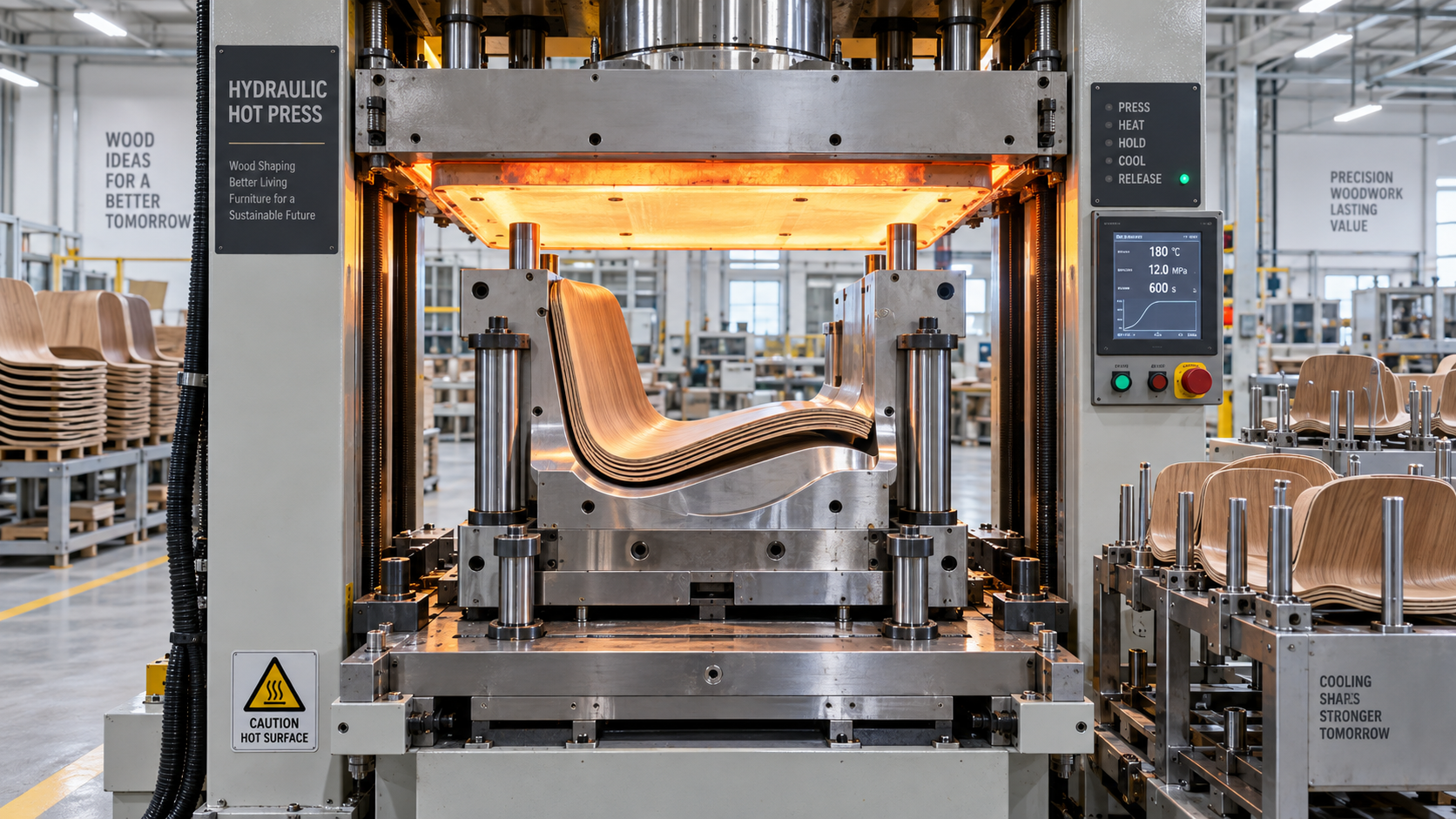
 Hot Wood Press Forming for Curved Furniture Parts: Tooling and Cycle PlanningHot wood press for curved furniture parts: discover tooling, heat, pressure, and cycle-planning insights for reliable shapes, faster output, and fewer defects.
Send Your Inquiry
We welcome your cooperation and we will develop with you.